Recommended Blog Posts
- Beyond the Visa: Your 2026 Canada Study Success Blueprint
- Study Agriculture and Crop Research in Canada: Admission Process, Eligibility, and Scholarships for International Students
- What Are the PGWP Updates for 2026 and How Do They Affect Your Application?
- M College Canada Closure Explained: Programs, Fees, and Student Impact
- Beyond the LOA: Why K7 Immigration's SOP Strategy is Key to Your Study Visa Approval
Why Study Visa Applications Get Refused and What You Can Do to Avoid Rejection
Publish On: December 13, 2025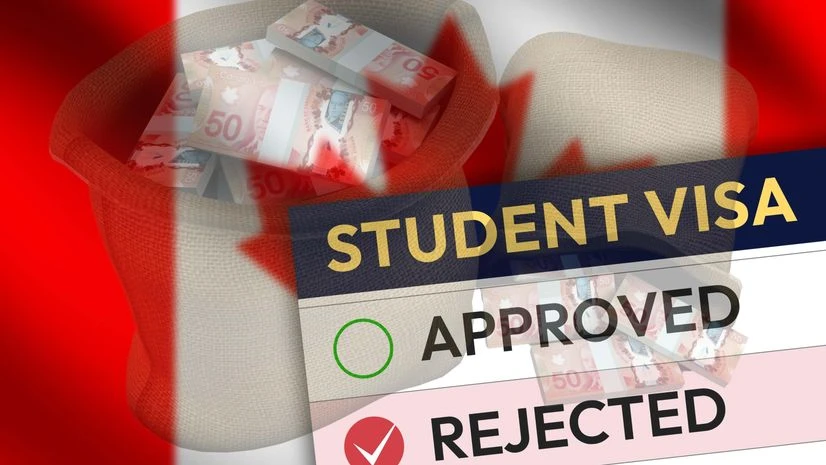
If you're planning to study in Canada in 2026, you've probably heard the same thing echoed across student groups, consultants, and social media: study visa refusals are higher than ever.
This rise isn't random. It is the result of:
- New IRCC rules
- Tighter financial criteria
- Increased scrutiny of SOPs
- Fraud prevention policies
- High application volumes and intake caps
- Stricter Genuine Student (GTE) assessments
Many genuine students who planned everything properly still receive refusals — often for reasons that aren't explained clearly.
Why IRCC Refuses Study Visa Applications
IRCC refuses study permit applications primarily when the applicant fails to satisfy the officer that they are a genuine temporary resident under section 216(1) of IRPR. The most common refusal reasons include weak or unclear study purpose, insufficient proof of funds, poor travel or academic progression, lack of strong home-country ties, or inconsistencies between the chosen program and past education/work history.
Under the latest IRCC scrutiny, applications that appear to use study permits as a pathway to remain in Canada without a credible academic rationale, or that rely on questionable financial documentation, are increasingly refused—even when an LOA is valid.
The Most Common IRCC Red Flags in Study Visa Applications
Below are the exact red flags that commonly trigger study visa refusals in 2025–2026.
Red Flag 1: Weak, Generic, or AI-Generated SOP
IRCC rejects thousands of applications because:
- SOP looks copy-pasted
- SOP does not justify program choice
- SOP contains contradictions
- SOP lacks career reasoning
- SOP doesn't address gaps or refusals
- SOP fails to show why Canada is necessary
A Perfect SOP is the core of your study permit application. With new IRCC rules, program caps, PAL requirements, LOA verification, and Bill C-12 in effect, officers are focused on one key factor above all else: your genuine study intent.
Red Flag 2: Insufficient, Suspicious, or Unverifiable Funds
Financial refusal is one of the biggest problems in 2025–2026 due to:
- IRCC's increased cost-of-living requirements
- More scrutiny on large transactions
- Fake bank statements used by some consultants
- Unexplained lump-sum deposits
- Income not matching bank balance
- Missing proof of GIC purchase
- Old or incomplete bank statements
Officers want stable, consistent funding, not just sudden money appearing before application.
Red Flag 3: Academic–Program Mismatch
If your education or experience doesn't align with your course in Canada, IRCC may consider you not a genuine student.
Examples that trigger refusal:
- Commerce student applying for Nursing
- Engineering candidate switching to Hospitality without justification
- Strong career experience but applying for a very basic diploma
- Overqualified applicants applying for low-level programs
IRCC needs to see logic behind your program choice.
Red Flag 4: Weak Home Ties (GTE Concerns)
Officers reject applications when they believe you may not return after studies, especially after new GTE-style assessments.
Red flags include:
- No family responsibilities
- No property, income, or savings
- No long-term goal in your home country
- No strong financial sponsor
- Lack of explanation about future plans
- Age + long study gap with unclear justification
You must show temporary intent even if PR is your long-term plan.
Red Flag 5: LOA Verification Issues (Fake LOA / Fraud Concerns)
In 2024, fraud cases increased sharply, leading IRCC to double-check LOAs.
Red flags include:
- LOA from non-DLI institutions
- LOA not issued through official college portal
- Agents giving fake or duplicated LOAs
- College under investigation
- LOA invalid due to intake caps
If your LOA can't be verified, refusal is immediate.
How to Fix Each Red Flag Before Reapplying
Correcting Your SOP (The Most Important Fix)
Your reapplication SOP must:
- Directly address your refusal reasons
- Justify your program with clear logic
- Explain gaps, career plans, finances, and home ties
- Show why Canada is essential for your future
- Demonstrate temporary intent
- Be 100% original, conversational, and human-written
If your last SOP was generic, this time it must be:
- structured
- personalized
- evidence-based
- aligned with IRCC immigration plan 2026
A strong SOP alone has turned refusals into approvals countless times.
Strengthening Financial Documentation
Here's what your financial file should include:
6-month bank statements with consistent balance: Avoid sudden large deposits.
GIC of CAD $20,635 (2025–2026 updated cost of living): Include GIC certificate + payment receipts.
Proof of tuition payment (at least 1st semester): Full-year tuition payment is even stronger.
Sponsor's income documents:

- Salary slips
- ITRs (2–3 years)
- Business registration
- CA report
- Affidavit of support
…explain it clearly in a letter.
Choosing the Right Program
Your reapplication should show:
- how the program connects to your academics
- how it fits your work experience
- how it supports your future goals
- why Canada is necessary
- why the program level is appropriate (diploma vs PG vs degree)
If your earlier program choice was weak, switching programs can significantly improve your chances for study permit.
Showing Strong Home Ties
Prove that you will return after studies by submitting:
- Family relationship proof
- Property documents
- Job offer or employer letter (if applicable)
- Business ownership documents
- Future career plan explanation
- Social ties (community, commitments)
In your SOP, emphasize:
- Career goals in your home country
- Why the Canadian qualification helps you succeed there
- Why returning is beneficial
Ensuring Your LOA Is Genuine
Before reapplying:
- Verify LOA through official DLI portal
- Contact college registrar to confirm
- Avoid LOAs issued by agents instead of the school
- Choose institutions not flagged for fraud
- Download the official DLI list from IRCC website
If your previous LOA was questionable, switch to a reputable public college or university.
Final Checklist Before Submitting Your Study Visa Application
Documents Checklist
|
SOP ChecklistYour SOP must include:
|
Consistency ChecklistEnsure:
|
Conclusion: Turning a Refusal into a Successful Approval
A study visa refusal is painful, but it is not the end of your dream. In fact, most approved students in 2026 are those who:
- understood their refusal
- corrected red flags
- rewrote a strong SOP
- strengthened finances
- chose a better program
- submitted verifiable documents
IRCC does not dislike re-applicants — they simply want clarity, intention, and credibility.