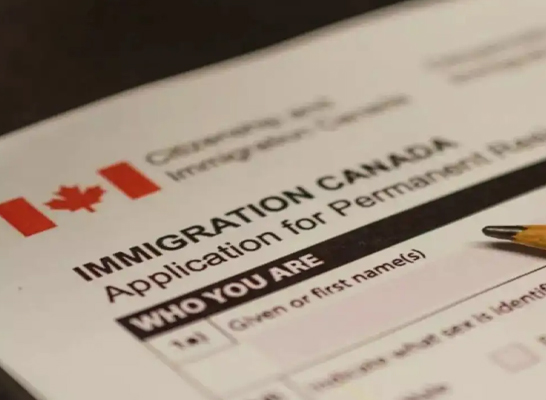
The Provincial Nominee Program (PNP) is an immigration route by which individual provinces and territories of Canada nominate skilled individuals for permanent residence, based on that region’s specific labour-market and settlement needs
Unlike purely federal programmes, the PNP gives provinces the authority to target workers in occupations, industries or with language/settlement profiles that their region requires.
For skilled workers hoping to settle permanently in Canada, the PNP is a powerful pathway – you apply through a province (or territory) that needs your skills, you receive a nomination, then you move toward permanent residency. It’s especially useful when you may not yet have a very high CRS score in the federal system, but meet the specific needs of a province.

Here’s how the process typically works:
The PNP is not for everyone—but there are clear candidate profiles that align well. Below are some of the most common.
Skilled workers with specific job offers or experience in in-demand occupations
If you have relevant work experience in an occupational category that a province has flagged as in-demand (for example tech, healthcare, trades, transport), and perhaps a job offer from an employer in that province, you are a strong candidate. Provinces want to fill labour gaps, so demonstrating you can step in and work immediately is a plus.
International graduates on a Post-Graduation Work Permit (PGWP)
Many provinces prioritise recent post-secondary graduates who studied in Canada and have Canadian work experience via a PGWP. These candidates often require less time to settle, have established local networks and fewer barriers—so they score well in many streams. If you studied in Canada, you’ve already shown commitment and ability to adapt.
Before you jump into completing forms, make sure you meet the key eligibility criteria for the PNP stream you’re considering. While each province has its own details, most share these common factors:
Here’s a sequential breakdown of how the PNP application works — keep in mind that specific steps may vary slightly by province or stream:
1. Choose the right province/stream
Begin by researching which provinces offer streams for your occupation/experience. Each province publishes a list of streams (for example “Skilled Worker Stream,” “International Graduate Stream,” “Employer-Driven Stream,” etc.).
2. Submit an Expression of Interest (EOI) or online application to the province
Some provinces operate a registration or EOI pool (you submit your profile, are scored and ranked, then you may be invited). Others allow direct application. You’ll provide details about your occupation, education, language, work experience and interest in that province.
3. Receive a Notification of Interest (NOI) or invitation
If your profile meets the threshold and the province selects you, you will receive a formal invitation or Notification of Interest (NOI) to submit a full application for nomination. Timing varies by province.
By following these six steps you progress from interest → provincial nomination → federal PR application → Canadian permanent residency
There are two broad pathways through provincial nomination:
| Feature | EE-linked PNP | Non-EE (Base) PNP |
| Express Entry profile | Required | Not always required |
| CRS boost | +600 points | Often no boost |
| Processing speed | Faster via Express Entry | Typically longer processing times |
| Suitable for | Strong candidates meeting federal criteria | Candidates with moderate profiles |
By understanding which pathway aligns with your profile and goals, you can choose the stream that gives you the best chance of success.